AP®︎ Physics 1: Topic 2.9 Practice Test
Prepare for your quiz, test, or the AP exam with focused practice questions on Topic 2.9 of AP Physics 1 – Circular Motion.
Questions List
Topic 2.9
Question 1 Easy
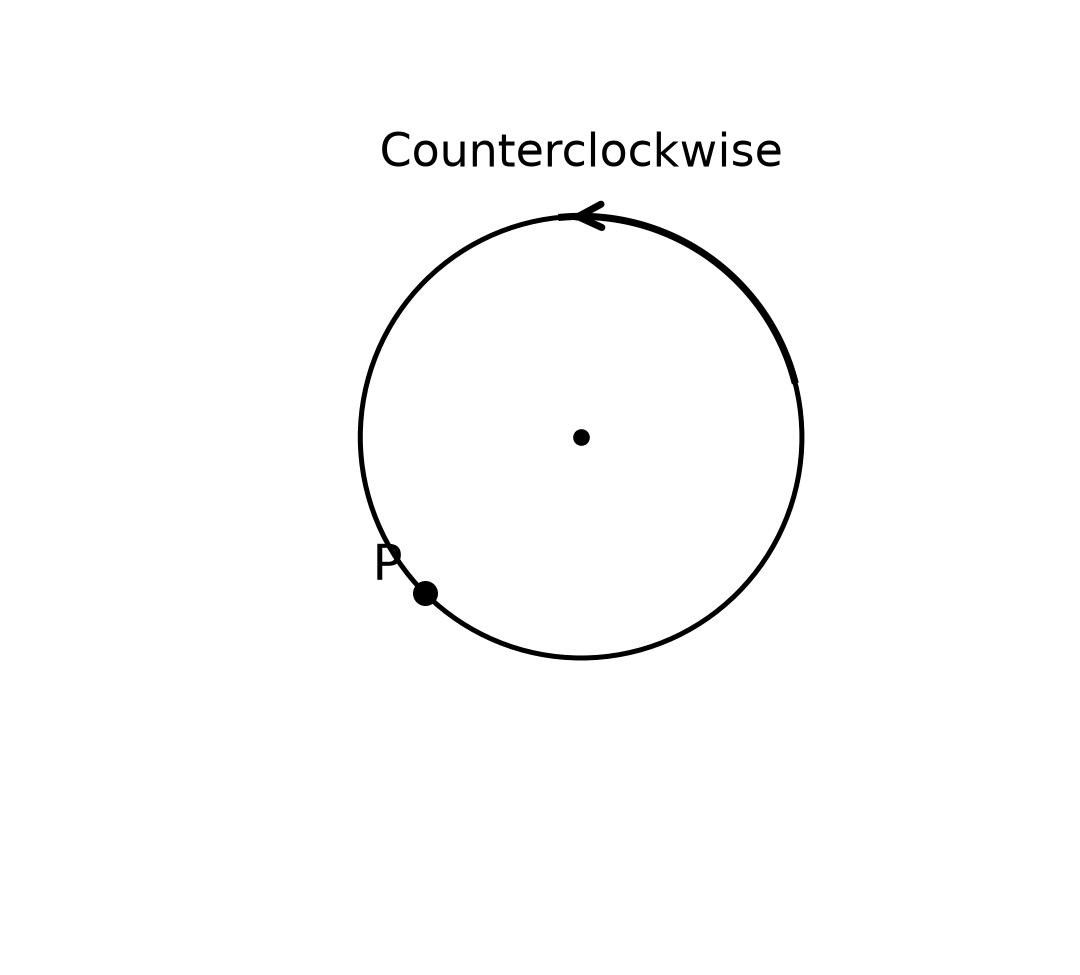
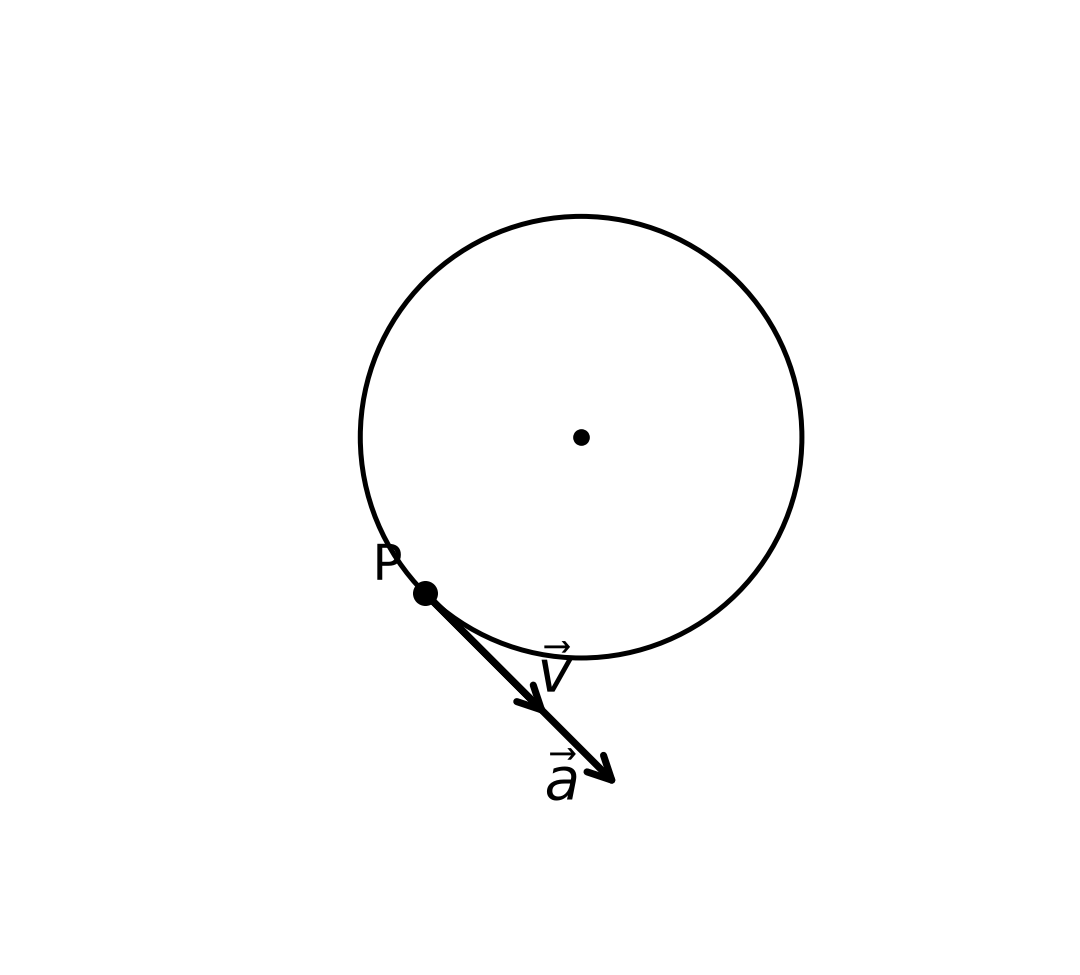
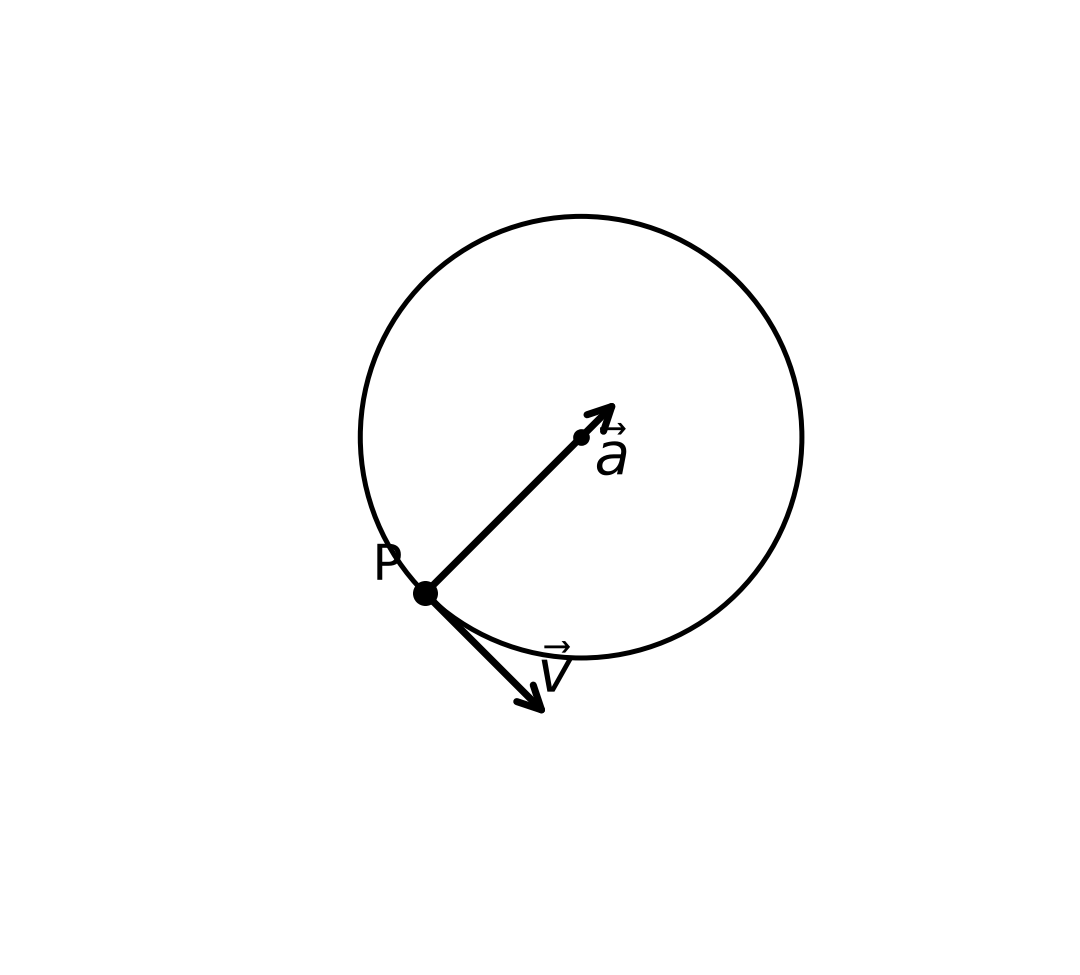
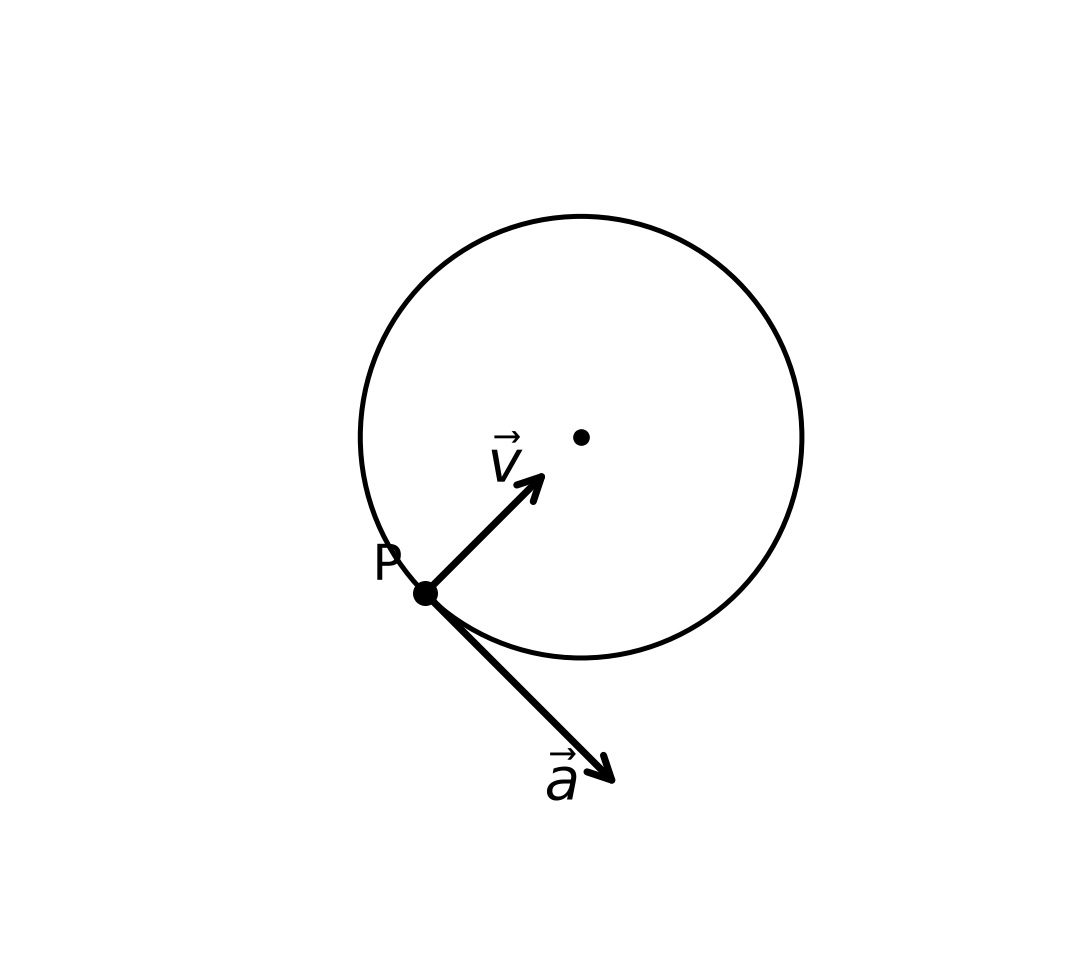
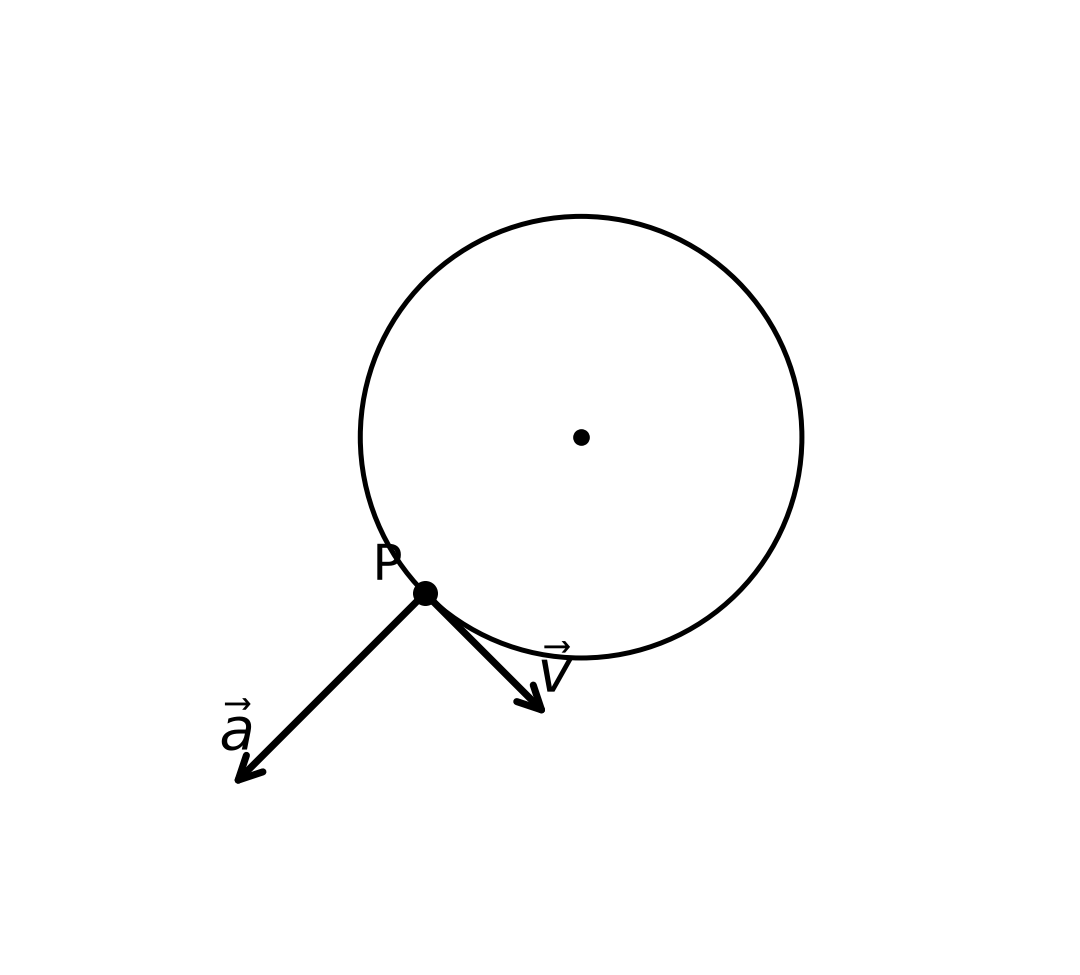
Which diagram could represent the directions of the car’s velocity and acceleration at ?
What You’re Being Tested On:
Explore the learning objectives taken directly from the College Board’s AP® Physics 1 Curriculum. Ensure you’re prepared for the exact topics covered on the AP® exam, in-class tests, and quizzes, and gain confidence in your mastery of the material.

Topic 2.9: Circular Motion
Boundary Statements official exam scope notes
- AP Physics 1 only expects students to quantitatively analyze banked curves in which no friction is required to maintain uniform circular motion. Analysis of situations in which friction is required on a banked curve is limited to qualitative descriptions.
- AP Physics 1 does not expect students to know Kepler’s first or second laws of planetary motion.
Learning Objective: 2.9.A
Describe the motion of an object traveling in a circular path.
Essential Knowledge: 2.9.A.1
Centripetal acceleration is the component of an object’s acceleration directed toward the center of the object’s circular path.
Essential Knowledge: 2.9.A.1.i
The magnitude of centripetal acceleration for an object moving in a circular path is the ratio of the object’s tangential speed squared to the radius of the circular path. Relevant equation:
Essential Knowledge: 2.9.A.1.ii
Centripetal acceleration is directed toward the center of an object’s circular path.
Essential Knowledge: 2.9.A.2
Centripetal acceleration can result from a single force, more than one force, or components of forces exerted on an object in circular motion.
Essential Knowledge: 2.9.A.2.i
At the top of a vertical, circular loop, an object requires a minimum speed to maintain circular motion. At this point, and with this minimum speed, the gravitational force is the only force that causes the centripetal acceleration. Derived equation:
Essential Knowledge: 2.9.A.2.ii
Components of the static friction force and the normal force can contribute to the net force producing centripetal acceleration of an object traveling in a circle on a banked surface.
Essential Knowledge: 2.9.A.2.iii
A component of tension contributes to the net force producing centripetal acceleration experienced by a conical pendulum.
Essential Knowledge: 2.9.A.3
Tangential acceleration is the rate at which an object’s speed changes and is directed tangent to the object’s circular path.
Essential Knowledge: 2.9.A.4
The net acceleration of an object moving in a circle is the vector sum of the centripetal acceleration and tangential acceleration.
Essential Knowledge: 2.9.A.5
The revolution of an object traveling in a circular path at a constant speed (uniform circular motion) can be described using period and frequency.
Essential Knowledge: 2.9.A.5.i
The time to complete one full circular path, one full rotation, or a full cycle of oscillatory motion is defined as period, .
Essential Knowledge: 2.9.A.5.ii
The rate at which an object is completing revolutions is defined as frequency, . Relevant equation:
Essential Knowledge: 2.9.A.5.iii
For an object traveling at a constant speed in a circular path, the period is given by the derived equation .
Learning Objective: 2.9.B
Describe circular orbits using Kepler’s third law.
Essential Knowledge: 2.9.B.1
For a satellite in circular orbit around a central body, the satellite’s centripetal acceleration is caused only by gravitational attraction. The period and radius of the circular orbit are related to the mass of the central body. Derived equation:
