Topic 5.3 Notes – Challenges from Globalization
What Globalization Does to Regime Sovereignty
Sovereignty means a state has authority to govern itself. Regime sovereignty asks a more practical question. Can the people in power still control policy and politics when outside forces push on them?
That is different from legitimacy. Sovereignty is about independence and control. Legitimacy is about whether people accept the government’s right to rule. Globalization can hurt one, the other, or both.
The exam usually wants this chain:
cross-border pressure → fewer domestic policy choices → public or political reaction → government response
The main pressures you need together are:
- FDI and MNCs bring jobs, capital, and technology, but they can pressure governments on taxes, labor rules, and regulation.
- Foreign cultural influence spreads media, values, and lifestyles that can trigger backlash.
- Development-linked pollution and health problems can make citizens feel their government chose growth over their well-being.
- Pressure from foreign governments can punish or isolate a regime.
Big idea: a country can keep its legal sovereignty and still lose practical freedom of action.
Main Ways Globalization Challenges Sovereignty
Foreign direct investment and multinational corporations
FDI is lasting foreign investment in production, like factories or oil fields. MNCs are companies operating across countries. Governments want their money, jobs, and export links, but that gives outside firms leverage.
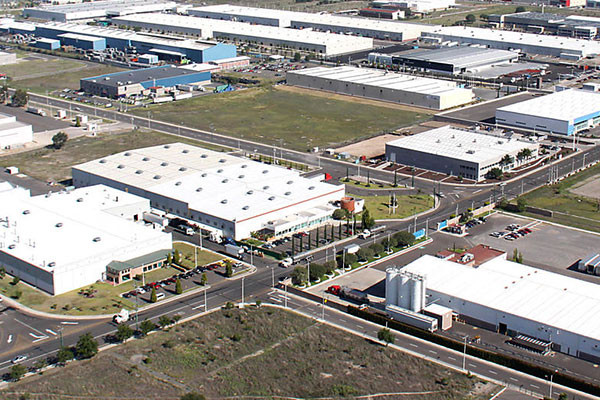
Industrial park in Mexico
- China opened to foreign investment but kept CCP control. It used joint ventures, restrictions, and state-owned enterprises to stop foreigners from dominating strategic sectors.
- Nigeria relied on oil firms like Shell in the Niger Delta. Oil revenue mattered so much that strict regulation became politically costly.
- Mexico became tied to export manufacturing and North American supply chains. That created pressure to keep labor and business conditions competitive. Opening parts of the energy sector also challenged nationalist control of oil.
- Russia accepted some foreign capital but limited it in strategic energy sectors under Putin.
Cultural influence and domestic backlash
Trade and investment carry more than money. They also bring media, consumer culture, and political ideas, often linked to the West. That can weaken state control over information and spark nationalist or religious backlash.
- Iran answers Western cultural influence with censorship, morality rules, and internet and media restrictions.
- China uses the Great Firewall, media controls, and nationalism to contain outside ideas.
- UK backlash showed up in Brexit and the slogan “Take Back Control,” which linked immigration, integration, and outside authority to lost sovereignty.
Environmental degradation and public health
Rapid globalized growth often follows the same pattern:
- Trade and investment increase production or extraction.
- Regulation is weak or badly enforced.
- Pollution and health damage spread.
- Citizens protest and demand action.
The Niger Delta is a clear example of how that can look on the ground.
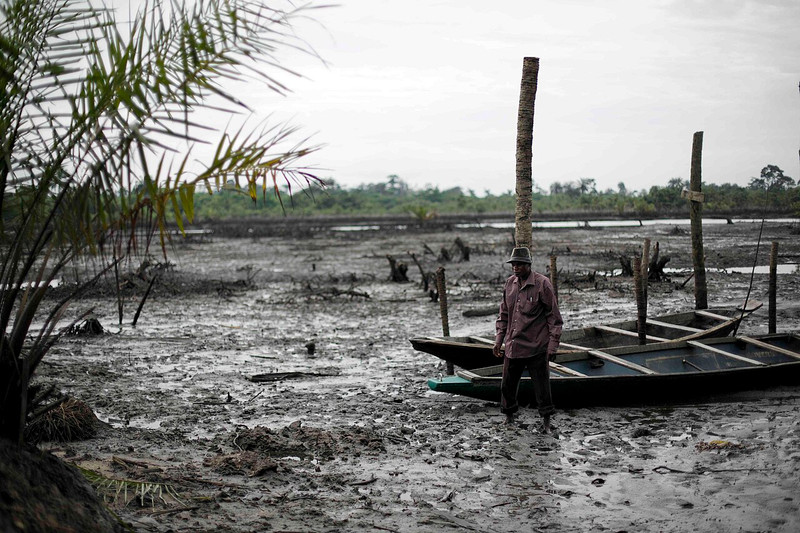
Oil pollution in Nigeria’s Niger Delta
- Nigeria saw oil spills and gas flaring damage farming and fishing in the Niger Delta.
- China faced major air and water pollution from industrialization. Public criticism pushed the state toward stronger regulation.
This matters politically because people may see the government as protecting growth or foreign firms instead of citizens.
Pressure from Foreign Governments
Foreign governments can narrow another state’s choices through treaty reversals, public condemnation, and economic sanctions.
- Treaty reversals matter because they remove benefits a regime counted on. The JCPOA was the 2015 nuclear deal with Iran. The U.S. withdrew in 2018 and reimposed sanctions, which sharply limited Iran’s options.
- Public condemnation through the UN and other IGOs can damage legitimacy and raise diplomatic costs. Know these examples:
- China over Xinjiang and Hong Kong
- Iran over human rights and protest crackdowns
- Russia over Ukraine
- Nigeria after the 1995 execution of Ken Saro-Wiwa and eight other Ogoni activists
- Economic sanctions can target trade, banking, finance, technology, assets, and travel.
- Iran faces sanctions over its nuclear program, regional actions, and rights abuses.
- Russia faced sanctions after Crimea in 2014 and the 2022 invasion of Ukraine.
Sanctions can pressure policy, but they can also create rally-around-the-flag nationalism.
How states push back
Governments try to keep the benefits of globalization without losing control.
- Domestic reform means changing laws, regulation, ownership rules, enforcement, or compensation.
- China tightened environmental rules and invested in green development.
- Mexico has moved back and forth between opening sectors and reasserting state control.
- Nigeria created Niger Delta programs, but implementation stayed weak.
- Control of domestic policy debates includes censorship, state media, nationalism, protest restrictions, and blaming foreign interference. Standard examples are China, Iran, and Russia.
- Extending regional influence helps governments find markets, security, and prestige while deflecting criticism.
- China uses the Belt and Road Initiative
- Russia uses the Eurasian Economic Union and energy leverage
- Iran builds regional allied networks
- Nigeria plays a role in ECOWAS
- UK pursued a post-Brexit independent trade strategy
The tradeoff never disappears. More autonomy can cost growth. More openness can weaken control. Poor handling of either can hurt legitimacy.
Key Takeaways
Globalization
The growth of economic, political, cultural, and technological connections across national borders
Sovereignty / Regime Sovereignty
A state's authority to govern its territory and population and make political, economic, and legal decisions without outside control
Foreign Direct Investment (FDI)
A lasting foreign investment in productive activity in another country, such as building a factory or acquiring a substantial interest in a company
Multinational Corporation (MNC)
A corporation operating in more than one country whose control of capital, technology, jobs, or market access can influence governments
Cultural Globalization
The cross-border spread of media, products, practices, and ideas, which can weaken state control over information and provoke domestic backlash
Treaty Reversal
A government's withdrawal from, suspension of, or repudiation of an international agreement or prior commitment
Public Condemnation
Open criticism of a government, often through an intergovernmental organization, that imposes reputational and diplomatic costs without military force
Economic Sanctions
Trade, financial, investment, travel, or asset restrictions imposed to raise the cost of a foreign government's behavior and induce policy change
Notes
Globalization
The growth of economic, political, cultural, and technological connections across national borders
Sovereignty / Regime Sovereignty
A state's authority to govern its territory and population and make political, economic, and legal decisions without outside control
Foreign Direct Investment (FDI)
A lasting foreign investment in productive activity in another country, such as building a factory or acquiring a substantial interest in a company
Multinational Corporation (MNC)
A corporation operating in more than one country whose control of capital, technology, jobs, or market access can influence governments
Cultural Globalization
The cross-border spread of media, products, practices, and ideas, which can weaken state control over information and provoke domestic backlash
Treaty Reversal
A government's withdrawal from, suspension of, or repudiation of an international agreement or prior commitment
Public Condemnation
Open criticism of a government, often through an intergovernmental organization, that imposes reputational and diplomatic costs without military force
Economic Sanctions
Trade, financial, investment, travel, or asset restrictions imposed to raise the cost of a foreign government's behavior and induce policy change
