Topic 5.5 Notes – International and Supranational Organizations
What International and Supranational Organizations Are
These groups matter because they connect domestic policy to outside pressure.
- An international organization is created by states for shared goals. It can influence governments, but it does not directly rule them.
- IMF and World Bank fit here.
- A supranational organization goes further. Member states pool or delegate some sovereignty, so rules can bind governments in certain policy areas.
- EU, ECOWAS, and WTO fit here.
The core difference is conditional pressure versus binding obligations. The IMF can say, “If you want this loan, change your policies.” The EU or WTO can say, “You joined these rules, so you must follow them.”
A state can still be sovereign and still lose policy autonomy. That means it remains an independent country, but it has less freedom to choose policies on its own.
Governments accept that trade-off for:
- financing
- market access
- credibility with investors
- cooperation
- influence over shared rules
This is a matter of degree, not absolute control. States join voluntarily, and sometimes they leave. Brexit is the clearest proof.
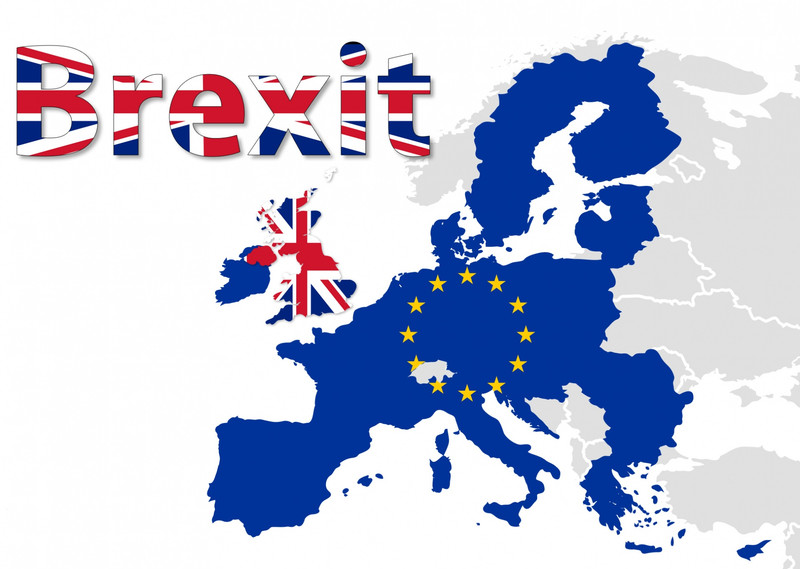
Brexit and the European Union
The UK reclaimed delegated sovereignty by leaving the EU, but it paid economic and political costs.
How International Organizations Influence Policy
The main tool here is conditionality. Governments get help only if they change policy.
- The IMF gives short-term help during macroeconomic or balance-of-payments crises.
- The World Bank gives longer-term development and institutional reform financing.
When a government is in crisis, it has weak bargaining power. That is why these organizations can shape domestic policy without directly governing.
Structural adjustment programs
These reforms usually push liberalization, which means a smaller state role and more market competition.
Common conditions:
- Privatization of state-owned enterprises
- Reduced tariffs on imports
- Reduced subsidies for domestic industries
These policies can improve stability, credit access, and investor confidence. They can also cause layoffs, higher prices, protests, and legitimacy problems if people see them as foreign-imposed.
Mexico
Mexico is the course-country example you need to know.
- 1982 debt crisis gave the IMF and World Bank more leverage.
- Mexico moved away from state-led development toward privatization and trade liberalization.
- This shift was reinforced by GATT 1986, NAFTA 1994, and WTO 1995.
The key AP point is that Mexico’s government still passed the policies itself. That is influence, not direct supranational rule.
ISI vs Structural Adjustment
Import substitution industrialization (ISI) tries to reduce dependence on foreign goods by building domestic industry behind protection.
Main ISI tools:
- high tariffs
- import restrictions or quotas
- subsidies and state credit
- state-owned enterprises and public investment
The logic is the infant-industry argument. New domestic firms need temporary protection from stronger foreign competitors.
| ISI | Structural Adjustment |
|---|---|
| Raises tariffs | Lowers tariffs |
| Expands state support | Shrinks state support |
| Protects domestic firms | Exposes firms to competition |
| Seeks self-sufficiency | Seeks openness and liberalization |
ISI can produce industrial growth, jobs, and more economic independence. It can also create inefficient firms, expensive low-quality goods, and long-term dependence on state support. Mexico and Nigeria both used protectionist, state-led approaches during parts of the twentieth century.
How Supranational Organizations Constrain National Policy
Supranational influence works through membership rules.
- States join and accept treaty obligations.
- Common rules are set and administered.
- Compliance is monitored or disputes are judged.
- Penalties, retaliation, or lost benefits push governments to comply.
WTO
The WTO was founded in 1995 as the successor to GATT. It promotes lower trade barriers and predictable trade rules. Its dispute process is one of the clearest ways supranational rules can pressure states to change policy.
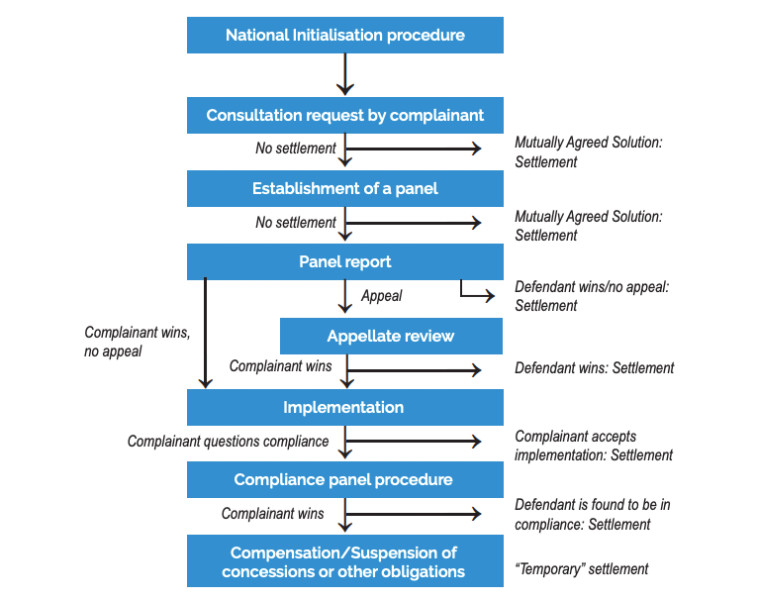
WTO dispute settlement process
- It limits how high tariffs can go.
- It discourages discrimination favoring domestic producers.
- Its dispute system can authorize retaliatory trade measures.
Course-country connections:
- Mexico and Nigeria were founding members in 1995
- China joined in 2001
- Russia joined in 2012
- UK stayed in the WTO after Brexit
- Iran is an observer, not a member
EU and the United Kingdom
The EU has the strongest supranational authority in this course. It shapes trade, competition, the single market, product standards, and movement.
- UK joined the EEC in 1973
- 2016 Brexit referendum used the slogan “Take Back Control”
- UK formally left in 2020
Brexit gave the UK more control over trade and immigration, but it also meant losing a direct voice in EU rulemaking and facing new trade frictions.
ECOWAS and Nigeria
ECOWAS, founded in 1975, promotes West African regional integration.
- It reduces tariffs within the region.
- It uses a common external tariff.
- Nigeria is constrained by these rules, but also helps shape them because of its size and regional power.
Why This Matters for Sovereignty and Regime Stability
These organizations can strengthen governments by giving them credit, market access, credibility, and regional or global influence. They can also weaken legitimacy if citizens see reforms as harmful or imposed from outside.
Different groups experience these policies differently:
- Winners often include consumers, exporters, competitive firms, and foreign investors.
- Losers often include protected industries, state-enterprise workers, and people who depend on subsidies.
Domestic leaders are not passive. They may use outside pressure to justify reforms they already want, shift blame for unpopular choices, or lock in policy for future governments.
Key Takeaways
International Organization
An institution created by multiple states to pursue common objectives, usually relying on cooperation or conditional pressure rather than delegated governing authority
Supranational Organization
An organization to which states delegate or pool authority, allowing its rules or decisions to bind members in specified policy areas
Conditionality (Conditional Financial Assistance)
Making financial assistance dependent on a recipient government’s adoption of specified policies
International Monetary Fund (IMF)
An international financial institution that provides conditional assistance to countries facing macroeconomic or balance-of-payments problems
World Bank
An international financial institution that provides financing and technical assistance for long-term development and institutional reform, often with policy conditions
Economic Liberalization
Reducing the state’s economic role and increasing reliance on markets, private ownership, competition, and international openness
Structural Adjustment Program
A package of economic reforms, commonly privatization and tariff and subsidy reductions, required for assistance from an international financial institution
Import Substitution Industrialization (ISI)
A development strategy that uses tariffs, import restrictions, subsidies, and state support to replace imported manufactures with domestic production
World Trade Organization (WTO)
A supranational trade organization established in 1995 that limits trade barriers, sets predictable trade rules, and resolves disputes among members
European Union (EU)
A supranational organization whose members transfer authority to common institutions over areas including the single market, trade, competition, and product standards
Economic Community of West African States (ECOWAS)
A West African regional organization that promotes integration by reducing internal trade barriers and coordinating policies such as external tariffs
Pooled Sovereignty
An arrangement in which states surrender some freedom to act alone in exchange for influence over common rules and shared benefits
Sovereignty
A state’s authority to govern within its territory and make decisions without subordination to another political authority
Policy Autonomy
The practical ability of national policymakers to choose among policy alternatives without external constraints
Brexit
The United Kingdom’s withdrawal from the European Union, formally completed in 2020, which restored policy autonomy while reducing EU market access and rule-making influence
Notes
International Organization
An institution created by multiple states to pursue common objectives, usually relying on cooperation or conditional pressure rather than delegated governing authority
Supranational Organization
An organization to which states delegate or pool authority, allowing its rules or decisions to bind members in specified policy areas
Conditionality (Conditional Financial Assistance)
Making financial assistance dependent on a recipient government’s adoption of specified policies
International Monetary Fund (IMF)
An international financial institution that provides conditional assistance to countries facing macroeconomic or balance-of-payments problems
World Bank
An international financial institution that provides financing and technical assistance for long-term development and institutional reform, often with policy conditions
Economic Liberalization
Reducing the state’s economic role and increasing reliance on markets, private ownership, competition, and international openness
Structural Adjustment Program
A package of economic reforms, commonly privatization and tariff and subsidy reductions, required for assistance from an international financial institution
Import Substitution Industrialization (ISI)
A development strategy that uses tariffs, import restrictions, subsidies, and state support to replace imported manufactures with domestic production
World Trade Organization (WTO)
A supranational trade organization established in 1995 that limits trade barriers, sets predictable trade rules, and resolves disputes among members
European Union (EU)
A supranational organization whose members transfer authority to common institutions over areas including the single market, trade, competition, and product standards
Economic Community of West African States (ECOWAS)
A West African regional organization that promotes integration by reducing internal trade barriers and coordinating policies such as external tariffs
Pooled Sovereignty
An arrangement in which states surrender some freedom to act alone in exchange for influence over common rules and shared benefits
Sovereignty
A state’s authority to govern within its territory and make decisions without subordination to another political authority
Policy Autonomy
The practical ability of national policymakers to choose among policy alternatives without external constraints
Brexit
The United Kingdom’s withdrawal from the European Union, formally completed in 2020, which restored policy autonomy while reducing EU market access and rule-making influence
