Topic 5.11 Notes – Campaign Finance
What Campaign Finance Is
National campaigns burn through money because reaching millions of voters is expensive. They pay for ads, staff, polling, data, travel, and voter outreach, so fundraising becomes part of the campaign itself.
The main AP Gov distinction is contribution vs. expenditure.
- A contribution is money given to a candidate, party, or committee. The recipient controls it, which creates a stronger risk of quid pro quo corruption, meaning money traded for favors or the appearance of that trade.
- An expenditure is money spent to send a political message or affect an election.
- An independent expenditure is spending for or against a candidate without coordinating with that candidate or campaign.
That word coordination matters a lot. If outside spending is coordinated with a campaign, the law can treat it like a contribution and regulate it more strictly.
Buckley v. Valeo (1976) built this rule. The Court upheld limits on direct contributions but struck down some limits on expenditures. That gave us the modern pattern: direct contributions can be limited more easily than independent expenditures.
Individuals can give limited direct contributions to candidate committees, parties, and traditional PACs, while unlimited money can be spent through independent expenditures, such as those made by Super PACs, as long as they do not coordinate with candidates.
Types of Campaign Money and Political Committees
Hard money and soft money
- Hard money follows federal campaign-finance law. It comes with limits, disclosure, and source rules.
- Soft money was money parties once raised outside federal limits for party-building work like voter registration and GOTV.
Students mix this up all the time. Soft money does not mean all unlimited political spending. It refers to the old party route that BCRA targeted.
Candidate, party, and individual money
- Individuals can give limited direct contributions to candidates, parties, and traditional PACs.
- Candidates can spend their own personal money on their campaigns.
- Parties raise regulated funds, contribute to candidates, and do both coordinated and independent spending.
Traditional PACs
A PAC raises and spends money to influence elections.
- Traditional PACs can give direct contributions to candidates, but those are limited.
- Connected PACs are tied to corporations, unions, or membership groups.
- Nonconnected PACs are independent of those groups and can solicit from the public.
Super PACs
A Super PAC is an independent-expenditure-only committee.
- It can raise unlimited money from individuals, corporations, and unions.
- It can spend unlimited amounts independently.
- It cannot contribute directly to candidates.
- It cannot coordinate with campaigns.
That contrast shows up constantly on tests: traditional PAC = limited direct contributions; Super PAC = unlimited independent spending.
The Bipartisan Campaign Reform Act of 2002
The Bipartisan Campaign Reform Act, or McCain-Feingold, tried to close loopholes.
- It banned soft money for national political parties.
- It targeted donors who had been dodging contribution limits by giving huge sums to party committees.
- It regulated electioneering communications, broadcast ads mentioning a clearly identified candidate within 30 days of a primary or 60 days of a general election.
- It restricted corporations and unions from using treasury funds for those ads.
It also created “Stand by Your Ad.” Candidates in authorized ads must identify themselves with the familiar line, “I’m ___ and I approve this message.” The point was accountability, especially for attack ads.
BCRA did not end all big political spending. It mainly shut down the old soft-money party channel.
Citizens United and the Modern Campaign Finance Debate
Citizens United v. FEC (2010) is the required case here. Citizens United wanted to distribute Hillary: The Movie near the 2008 primary, and the Court had to decide whether the government could restrict independent political spending by corporations because they are corporations.
The Court said no. Corporations, associations, and labor unions have First Amendment protection for independent political expenditures.
Why?
- Political spending helps deliver political speech.
- Independent expenditures are seen as less corrupting because they are not coordinated with candidates.
- Government cannot limit speech just to equalize influence among speakers.
What the case did not do:
- It did not allow direct corporate contributions to candidates.
- It did not wipe out contribution limits.
- It did not legalize coordination.
- It did not end disclosure requirements.
- It did not strike down BCRA’s soft-money ban.
The dissent argued that concentrated corporate wealth can distort democracy and weaken public trust.
This case came from the Supreme Court, shown here, and it reshaped the rules for outside political spending.
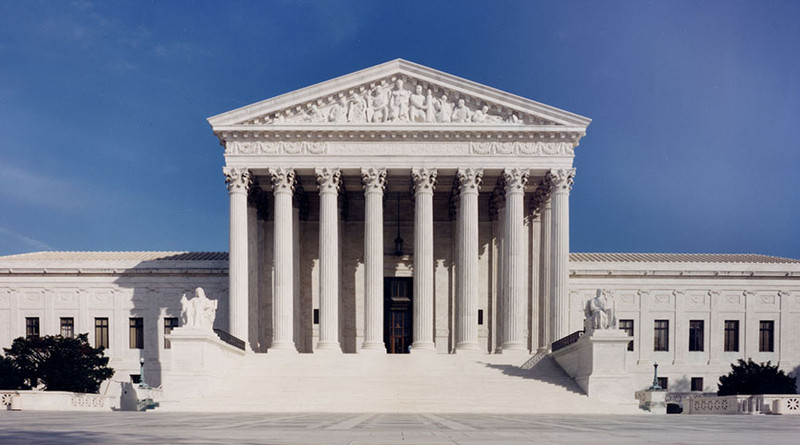
U.S. Supreme Court
How Campaign Finance Affects Elections
Money shapes how campaigns run. Candidates spend huge amounts of time fundraising, building donor networks, and planning ad strategy.
Outside groups matter because they can flood the race with messages, often negative ones, without the candidate controlling them. Supportive Super PACs let candidates benefit from outside spending while keeping legal separation.
Money cuts both ways:
- It can increase competition by helping challengers get known.
- It can reduce competition when one side overwhelms the other financially.
Disclosure and disclaimer rules, enforced by the FEC, help voters see who paid for ads and help detect corruption.
Dark money means political spending where the original donor is hard for the public to identify. That is a transparency problem, and it is not the same thing as soft money.
Key Takeaways
Campaign Finance
The raising and spending of money to influence elections and the legal rules governing that activity
Campaign Contribution
Money or another thing of value given to a candidate, party, or political committee, giving the recipient control over its use
Expenditure
Money spent to produce or distribute political communication or otherwise affect an election
Independent Expenditure
Spending that expressly supports or opposes a clearly identified candidate without coordination with the candidate, campaign, or party acting for the candidate
Coordination
Cooperation between a spender and a campaign over a communication’s message, timing, audience, or placement; coordinated spending can be treated as an in-kind contribution subject to contribution limits
Quid Pro Quo Corruption
An actual or implied exchange of money for a specific official favor or action
Hard Money
Campaign money raised and spent under federal limits, source restrictions, and disclosure requirements, including direct contributions to federal candidates and traditional PACs
Soft Money
Money formerly raised by political parties outside federal limits for purported nonfederal or party-building activities rather than a specific federal candidate
Federal Election Commission (FEC)
The federal agency that administers campaign-finance law, receives financial reports, issues regulations and advisory opinions, and investigates alleged violations
Bipartisan Campaign Reform Act of 2002 (BCRA or McCain-Feingold Act)
Federal law that banned national-party soft money, regulated electioneering communications, and required candidates to approve their authorized broadcast advertisements
Electioneering Communication
A broadcast, cable, or satellite message naming a federal candidate, reaching the relevant electorate, and appearing within 30 days of a primary or 60 days of a general election
Stand by Your Ad Provision
BCRA requirement that a candidate identify themself and accept responsibility for an authorized radio or television advertisement: “I’m [name], and I approve this message.”
Citizens United v. Federal Election Commission (2010)
First Amendment ruling that BCRA could not prohibit corporate or union independent expenditures; direct-contribution bans, disclosure rules, and the national-party soft-money ban remained
Political Action Committee (PAC)
An organization that raises and spends money to influence elections, often on behalf of business, labor, ideological, professional, or single-issue interests
Traditional PAC
A PAC that raises money under federal limits and may make limited direct contributions to candidates as well as spend on political communications
Connected PAC
A traditional PAC sponsored by a corporation, labor union, or membership organization and funded for contributions by eligible individuals’ voluntary donations
Nonconnected PAC
A traditional PAC not established by a corporation or labor organization that may solicit federally limited contributions from the public
Super PAC (Independent-Expenditure-Only Political Committee)
A committee that may raise and spend unlimited funds independently but may not contribute directly to candidates or coordinate expenditures with campaigns
Disclosure Requirement
A rule requiring candidates and many political committees to report contributors, receipts, and expenditures to the FEC.
Disclaimer Requirement
A rule requiring a political communication to identify who paid for it and whether a candidate authorized it
Dark Money
Political spending whose original donors are difficult for the public to identify, often because it passes through organizations that do not disclose all underlying donors
Notes
Campaign Finance
The raising and spending of money to influence elections and the legal rules governing that activity
Campaign Contribution
Money or another thing of value given to a candidate, party, or political committee, giving the recipient control over its use
Expenditure
Money spent to produce or distribute political communication or otherwise affect an election
Independent Expenditure
Spending that expressly supports or opposes a clearly identified candidate without coordination with the candidate, campaign, or party acting for the candidate
Coordination
Cooperation between a spender and a campaign over a communication’s message, timing, audience, or placement; coordinated spending can be treated as an in-kind contribution subject to contribution limits
Quid Pro Quo Corruption
An actual or implied exchange of money for a specific official favor or action
Hard Money
Campaign money raised and spent under federal limits, source restrictions, and disclosure requirements, including direct contributions to federal candidates and traditional PACs
Soft Money
Money formerly raised by political parties outside federal limits for purported nonfederal or party-building activities rather than a specific federal candidate
Federal Election Commission (FEC)
The federal agency that administers campaign-finance law, receives financial reports, issues regulations and advisory opinions, and investigates alleged violations
Bipartisan Campaign Reform Act of 2002 (BCRA or McCain-Feingold Act)
Federal law that banned national-party soft money, regulated electioneering communications, and required candidates to approve their authorized broadcast advertisements
Electioneering Communication
A broadcast, cable, or satellite message naming a federal candidate, reaching the relevant electorate, and appearing within 30 days of a primary or 60 days of a general election
Stand by Your Ad Provision
BCRA requirement that a candidate identify themself and accept responsibility for an authorized radio or television advertisement: “I’m [name], and I approve this message.”
Citizens United v. Federal Election Commission (2010)
First Amendment ruling that BCRA could not prohibit corporate or union independent expenditures; direct-contribution bans, disclosure rules, and the national-party soft-money ban remained
Political Action Committee (PAC)
An organization that raises and spends money to influence elections, often on behalf of business, labor, ideological, professional, or single-issue interests
Traditional PAC
A PAC that raises money under federal limits and may make limited direct contributions to candidates as well as spend on political communications
Connected PAC
A traditional PAC sponsored by a corporation, labor union, or membership organization and funded for contributions by eligible individuals’ voluntary donations
Nonconnected PAC
A traditional PAC not established by a corporation or labor organization that may solicit federally limited contributions from the public
Super PAC (Independent-Expenditure-Only Political Committee)
A committee that may raise and spend unlimited funds independently but may not contribute directly to candidates or coordinate expenditures with campaigns
Disclosure Requirement
A rule requiring candidates and many political committees to report contributors, receipts, and expenditures to the FEC.
Disclaimer Requirement
A rule requiring a political communication to identify who paid for it and whether a candidate authorized it
Dark Money
Political spending whose original donors are difficult for the public to identify, often because it passes through organizations that do not disclose all underlying donors
