Topic 5.1 Notes – The Enlightenment
What Enlightenment Thought Was
The Enlightenment grew out of the Scientific Revolution. Europeans had seen that natural laws could be discovered through observation and reason, so thinkers started asking whether governments and social systems could be judged the same way.
- Reason meant people could question old institutions instead of accepting them because kings, churches, or tradition said so.
- Empiricism meant knowledge should come from observation and experience, not just inherited authority.
- This opened criticism of absolute monarchy, hereditary privilege, censorship, torture, slavery, serfdom, and patriarchy.
John Locke’s tabula rasa idea said the mind begins as a “blank slate.” Experience shapes people. That challenged the idea that hierarchy was naturally fixed at birth.
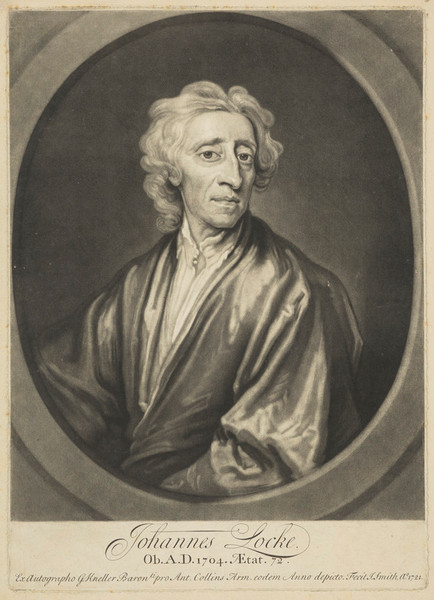
Portrait of John Locke
One AP trap here is cause. Enlightenment ideas helped inspire revolutions, but they were not the only cause. Debt, war, inequality, and local conflicts mattered too.
Core Enlightenment Ideas About Government and Rights
These ideas keep showing up in documents and sources, so know the whole set: natural rights, social contract, consent of the governed, popular sovereignty, separation of powers, religious toleration, legal reform.
Natural rights
Locke argued that people have natural rights to life, liberty, and property. These rights come from nature, not from rulers. Government exists to protect them. If it fails, it loses legitimacy. That directly challenged divine-right monarchy.
Social contract and consent of the governed
Different thinkers agreed that government is a human creation, not a sacred family inheritance.
| Thinker | Main idea |
|---|---|
| Hobbes | People create government to escape chaos, so he supported strong authority. |
| Locke | Government is a contract to protect rights, and people may resist tyranny. |
| Rousseau | Sovereignty belongs to the people, and government should express the general will. |
The shared point is consent. Rulers govern because people authorize them, not because of birth.
Limiting power
Montesquieu argued for separation of powers and checks and balances so no one part of government could become tyrannical.
Beccaria applied reason to law. He attacked torture and arbitrary punishment and supported due process and rational legal systems.
Religion and public life
The Enlightenment did not mean everyone became anti-religious.
- Deism held that a creator exists, but reason matters more than church authority or revelation.
- Voltaire pushed for religious toleration, freedom of thought, and less censorship.
- The long-term effect was secularization. Governments became less controlled by churches.
How Enlightenment Ideas Spread and Were Used
Ideas spread because print spread.
- Books, pamphlets, newspapers, essays, political writing
- Diderot’s Encyclopédie organized knowledge and spread criticism of superstition and privilege
- Salons, coffeehouses, academies, clubs, Masonic lodges created a public sphere for debate
Salons often depended on elite women as hosts. Women still lacked equality, but they shaped discussion spaces before they gained political rights.
Diffusion meant adaptation. People used Enlightenment language for their own struggles:
- Enlightenment ideas set standards for legitimate government.
- People judged abuses as rights violations.
- Grievances turned into political claims.
- Revolutions and constitutions used Enlightenment language.
Recognize these examples for the next topic: Declaration of Independence, Declaration of the Rights of Man and of the Citizen, Bolívar’s Letter from Jamaica.
Reform from Above and Reform Over Time
Some monarchs borrowed Enlightenment ideas without giving up power. That is enlightened absolutism.
- Frederick II of Prussia used administrative reform and limited toleration.
- Catherine II of Russia liked Enlightenment ideas in theory but preserved noble privilege and expanded serfdom.
- Joseph II of Austria supported religious toleration and tried to reduce serf obligations.
Catherine the Great is a good example of that mix of reform language and strong royal power.
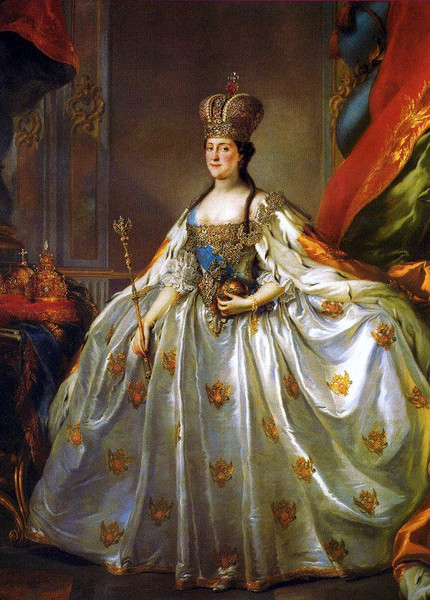
Catherine II of Russia
The limit was simple. Rulers protected their own authority.
Enlightenment ideas also fed later reforms, often mixed with religious activism:
- Expanded suffrage widened participation beyond propertied men.
- Abolition of slavery
- Britain ended the slave trade in 1807
- Britain abolished slavery in most of its empire in 1833
- End of serfdom
- Joseph II pushed reforms in Habsburg lands
- Russia emancipated serfs in 1861
Women’s Rights, Nationalism, and the Limits of the Enlightenment
Women’s-rights thinkers pointed out the contradiction in “universal rights.”
- Olympe de Gouges, Declaration of the Rights of Woman (1791)
- Mary Wollstonecraft, A Vindication of the Rights of Woman (1792). Her main claim was that women are rational, and inequality comes from poor education, not natural inferiority.
- Seneca Falls Convention (1848), led by Elizabeth Cady Stanton and Lucretia Mott, demanded equality and suffrage.
Nationalism was related but different. Enlightenment thought centered on individuals and legitimate government. Nationalism centered on a people with a shared identity seeking self-rule. Both challenged dynasties and empires, but nationalism could exclude minorities. Its full development belongs more to Topic 5.2.
Key Takeaways
The Enlightenment
Late seventeenth- and eighteenth-century movement applying reason and empiricism to nature, government, society, and religion while questioning inherited authority
Reason
The use of logical thought to evaluate claims, institutions, and their consequences rather than accepting tradition or authority automatically
Empiricism
The belief that knowledge should be grounded in observation and experience rather than tradition or abstract authority alone
Tabula Rasa
Locke’s idea of the mind as a “blank slate” shaped by experience, emphasizing education over supposedly innate differences
Natural Rights
Rights possessed by nature rather than granted by government; Locke identified life, liberty, and property
John Locke
English philosopher who defended empiricism, natural rights to life, liberty, and property, limited government, and the right to replace tyrannical rulers
Social Contract
The theory that government originates in a human agreement and is legitimate only under the terms and purposes of that agreement
Thomas Hobbes
Social-contract theorist who argued that people transfer extensive authority to a powerful sovereign to prevent violent disorder
Jean-Jacques Rousseau
Philosopher who argued that sovereignty belonged to the people and legitimate government should express the general will
General Will
Rousseau’s concept of the collective political will directed toward the common good, not merely a temporary majority preference
Consent of the Governed
The principle that government is legitimate because the people authorize it, not because a dynasty inherits authority
Popular Sovereignty
The principle that ultimate political authority belongs to the people rather than a monarch or hereditary ruling family
Baron de Montesquieu
French philosopher who argued that dividing governmental power among institutions could prevent tyranny and protect liberty
Separation of Powers
Division of legislative, executive, and judicial authority so no person or institution controls all governmental power
Cesare Beccaria
Italian reformer who condemned torture, secret trials, and arbitrary punishment and advocated known laws, proportional penalties, and deterrence
Deism
Belief in a creator known through reason and nature while questioning miracles, revelation, and exclusive church authority
Voltaire
French Enlightenment writer who attacked censorship, religious persecution, and established-church power while defending toleration and freedom of thought
Religious Toleration
The principle that governments should permit differing religious beliefs and communities rather than persecute dissenters
Secularization
The process by which government, law, education, and public inquiry became less dependent on organized religion
Denis Diderot
French Enlightenment thinker who edited the Encyclopédie to organize knowledge and circulate criticism of superstition, censorship, and privilege
Encyclopédie
Diderot’s collaborative reference work that systematized knowledge and spread criticism of clerical authority, censorship, superstition, and inherited privilege
Salons
Discussion gatherings, often hosted by elite women, where writers, officials, aristocrats, and intellectuals exchanged Enlightenment ideas
Enlightened Absolutism / Enlightened Despotism
Autocratic rule that adopted selected rational reforms while preserving monarchy and denying that sovereignty belonged to the people
Frederick II of Prussia
Enlightened absolutist who portrayed himself as a servant of the state and supported limited religious toleration and administrative reform
Catherine II of Russia
Russian enlightened absolutist who corresponded with philosophers and considered legal reform but preserved noble privilege and expanded serfdom
Joseph II of the Habsburg Monarchy
Enlightened absolutist who promoted religious toleration and reduced some serf obligations, though resistance limited many reforms
Expanded Suffrage
The gradual broadening of voting rights, especially through the removal of property qualifications for men, in response to demands for political consent
Abolitionism
The movement to end the slave trade and slavery, justified through natural rights, human equality, and religious morality
Emancipation of Serfs
The legal ending of peasants’ inherited bondage and movement restrictions, justified by liberty and equality but often leaving economic dependence intact
Emergent Feminism
Developing arguments and organized demands for women’s educational, legal, economic, civil, and political equality
Mary Wollstonecraft
Author of A Vindication of the Rights of Woman, arguing that women are rational beings whose apparent inferiority results largely from denied education
A Vindication of the Rights of Woman
Wollstonecraft’s 1792 argument that denying rational education to women creates dependence and contradicts Enlightenment principles
Olympe de Gouges
French activist who demanded equal civil and political rights for women in the Declaration of the Rights of Woman and of the Female Citizen
Declaration of the Rights of Woman and of the Female Citizen
De Gouges’s 1791 rewriting of France’s rights declaration to demand for women the same civil and political rights proclaimed for men
Seneca Falls Convention
The 1848 U.S. women’s-rights convention organized by Elizabeth Cady Stanton and Lucretia Mott that demanded equality, including women’s suffrage
Declaration of Sentiments
Seneca Falls document declaring that “all men and women are created equal” and listing women’s legal, educational, economic, religious, and political grievances
Nationalism
The belief that people sharing identity through language, religion, customs, history, or territory form a nation entitled to political community or self-government
Natural Law
Principles inherent in nature and discoverable through reason that could be used to judge human laws and governments
Divine-Right Monarchy
The belief that monarchs received their authority from God and were not politically accountable to the people
Checks and Balances
A system in which branches or institutions of government restrain one another’s power
Freedom of Conscience
The principle that individuals should not be forced by the state to profess or abandon religious beliefs
Women’s Suffrage
The right of women to vote and the reform movement demanding that right
Notes
The Enlightenment
Late seventeenth- and eighteenth-century movement applying reason and empiricism to nature, government, society, and religion while questioning inherited authority
Reason
The use of logical thought to evaluate claims, institutions, and their consequences rather than accepting tradition or authority automatically
Empiricism
The belief that knowledge should be grounded in observation and experience rather than tradition or abstract authority alone
Tabula Rasa
Locke’s idea of the mind as a “blank slate” shaped by experience, emphasizing education over supposedly innate differences
Natural Rights
Rights possessed by nature rather than granted by government; Locke identified life, liberty, and property
John Locke
English philosopher who defended empiricism, natural rights to life, liberty, and property, limited government, and the right to replace tyrannical rulers
Social Contract
The theory that government originates in a human agreement and is legitimate only under the terms and purposes of that agreement
Thomas Hobbes
Social-contract theorist who argued that people transfer extensive authority to a powerful sovereign to prevent violent disorder
Jean-Jacques Rousseau
Philosopher who argued that sovereignty belonged to the people and legitimate government should express the general will
General Will
Rousseau’s concept of the collective political will directed toward the common good, not merely a temporary majority preference
Consent of the Governed
The principle that government is legitimate because the people authorize it, not because a dynasty inherits authority
Popular Sovereignty
The principle that ultimate political authority belongs to the people rather than a monarch or hereditary ruling family
Baron de Montesquieu
French philosopher who argued that dividing governmental power among institutions could prevent tyranny and protect liberty
Separation of Powers
Division of legislative, executive, and judicial authority so no person or institution controls all governmental power
Cesare Beccaria
Italian reformer who condemned torture, secret trials, and arbitrary punishment and advocated known laws, proportional penalties, and deterrence
Deism
Belief in a creator known through reason and nature while questioning miracles, revelation, and exclusive church authority
Voltaire
French Enlightenment writer who attacked censorship, religious persecution, and established-church power while defending toleration and freedom of thought
Religious Toleration
The principle that governments should permit differing religious beliefs and communities rather than persecute dissenters
Secularization
The process by which government, law, education, and public inquiry became less dependent on organized religion
Denis Diderot
French Enlightenment thinker who edited the Encyclopédie to organize knowledge and circulate criticism of superstition, censorship, and privilege
Encyclopédie
Diderot’s collaborative reference work that systematized knowledge and spread criticism of clerical authority, censorship, superstition, and inherited privilege
Salons
Discussion gatherings, often hosted by elite women, where writers, officials, aristocrats, and intellectuals exchanged Enlightenment ideas
Enlightened Absolutism / Enlightened Despotism
Autocratic rule that adopted selected rational reforms while preserving monarchy and denying that sovereignty belonged to the people
Frederick II of Prussia
Enlightened absolutist who portrayed himself as a servant of the state and supported limited religious toleration and administrative reform
Catherine II of Russia
Russian enlightened absolutist who corresponded with philosophers and considered legal reform but preserved noble privilege and expanded serfdom
Joseph II of the Habsburg Monarchy
Enlightened absolutist who promoted religious toleration and reduced some serf obligations, though resistance limited many reforms
Expanded Suffrage
The gradual broadening of voting rights, especially through the removal of property qualifications for men, in response to demands for political consent
Abolitionism
The movement to end the slave trade and slavery, justified through natural rights, human equality, and religious morality
Emancipation of Serfs
The legal ending of peasants’ inherited bondage and movement restrictions, justified by liberty and equality but often leaving economic dependence intact
Emergent Feminism
Developing arguments and organized demands for women’s educational, legal, economic, civil, and political equality
Mary Wollstonecraft
Author of A Vindication of the Rights of Woman, arguing that women are rational beings whose apparent inferiority results largely from denied education
A Vindication of the Rights of Woman
Wollstonecraft’s 1792 argument that denying rational education to women creates dependence and contradicts Enlightenment principles
Olympe de Gouges
French activist who demanded equal civil and political rights for women in the Declaration of the Rights of Woman and of the Female Citizen
Declaration of the Rights of Woman and of the Female Citizen
De Gouges’s 1791 rewriting of France’s rights declaration to demand for women the same civil and political rights proclaimed for men
Seneca Falls Convention
The 1848 U.S. women’s-rights convention organized by Elizabeth Cady Stanton and Lucretia Mott that demanded equality, including women’s suffrage
Declaration of Sentiments
Seneca Falls document declaring that “all men and women are created equal” and listing women’s legal, educational, economic, religious, and political grievances
Nationalism
The belief that people sharing identity through language, religion, customs, history, or territory form a nation entitled to political community or self-government
Natural Law
Principles inherent in nature and discoverable through reason that could be used to judge human laws and governments
Divine-Right Monarchy
The belief that monarchs received their authority from God and were not politically accountable to the people
Checks and Balances
A system in which branches or institutions of government restrain one another’s power
Freedom of Conscience
The principle that individuals should not be forced by the state to profess or abandon religious beliefs
Women’s Suffrage
The right of women to vote and the reform movement demanding that right
