Topic 1.10 Notes – The Commercial Revolution
What the Commercial Revolution Was
The Commercial Revolution was a long shift toward commercial and agricultural capitalism. It was not a sudden break from the medieval economy. Most Europeans still farmed for subsistence, but markets mattered more than before.
- The money economy expanded. Rents, taxes, wages, debts, and purchases were increasingly paid in cash.
- Overseas trade and American silver helped drive this change, but the point here is what those forces did inside Europe.
- Keep three qualifiers in your head the whole time:
- change was gradual
- change was uneven by region
- old manorial customs and social hierarchy survived alongside newer market behavior
Banking, Finance, and the Growth of Capital
As trade spread, merchants needed safer and more flexible ways to move money and manage risk.
- Credit let merchants buy and sell before they had cash in hand.
- Bills of exchange allowed long-distance payment without hauling coin across dangerous roads or seas.
- Marine insurance spread the risk of piracy, shipwreck, and war.
- Double-entry bookkeeping recorded debits and credits together, making profit, loss, and errors easier to track. This is especially tied to Italian merchants.
A surviving ledger helps make that last point concrete.
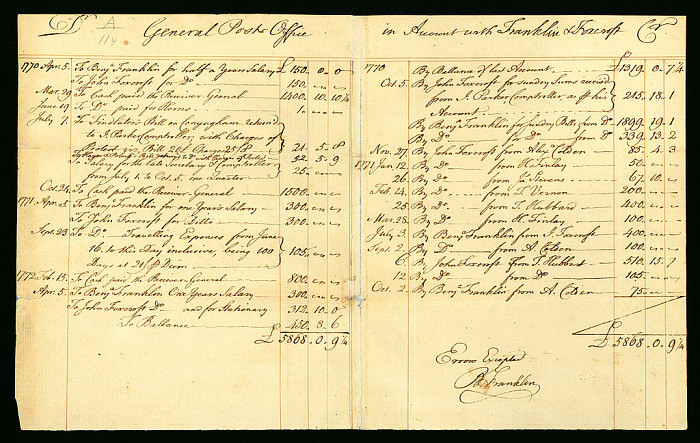
Early modern account ledger
Financial centers
Cities became hubs because merchants could find banks, insurers, warehouses, and information there.
- Early leaders were the Italian commercial cities.
- Major northern centers included Antwerp, Amsterdam, and later London.
- The Bank of Amsterdam (1609) accepted deposits and cleared payments in a world full of mixed and unreliable currencies. That made trade more stable.
Joint-stock companies
Big overseas ventures needed more money than one merchant usually had.
- Dutch East India Company (VOC), 1602
- English/British East India Company, 1600
Investors bought shares, so profits and losses were spread across many backers. These companies also had state charters, monopolies, and even coercive power. That connection matters. Early capitalism grew with state support, not apart from it.
Capital accumulation
Profits were reinvested in ships, trade, loans, land, and offices. That is capital accumulation.
- The Fugger family of Augsburg is the classic example. They became rich through banking and finance and were closely tied to the Habsburgs.
Agriculture, Inflation, and Uneven Economic Change
Even with growing trade, Europe stayed mostly rural.
- Subsistence agriculture still dominated.
- Northern Europe usually used three-field rotation.
- Mediterranean regions more often used two-field rotation.
- Peasants often still owed rent, dues, or labor services.
The price revolution
The price revolution was sustained inflation in the 1500s and early 1600s.
Its two major causes worked together:
- Population recovery after the Great Plague increased demand for food and land.
- American silver increased the money supply.
The exam loves this point: agricultural prices rose faster than wages, so real wages fell for many people.
Winners and losers
| Benefited | Suffered |
|---|---|
| merchants | wage laborers |
| debtors | urban poor |
| commercial farmers | small peasants |
| adaptable western landowners | creditors |
| landowners stuck with fixed customary rents |
Commercialization of agriculture
Land was used more for market production, not just survival.
- Enclosure in England is the classic example. Land was fenced off and consolidated.
- Village commons became restricted, which hurt poorer peasants who depended on shared grazing and fuel.
- Freehold tenure gave more secure land rights and encouraged leasing, sale, investment, and consolidation.
A surviving map like this one helps you picture the older open-field system that enclosure gradually replaced. Notice the scattered strips and the shared pasture in Laxton.
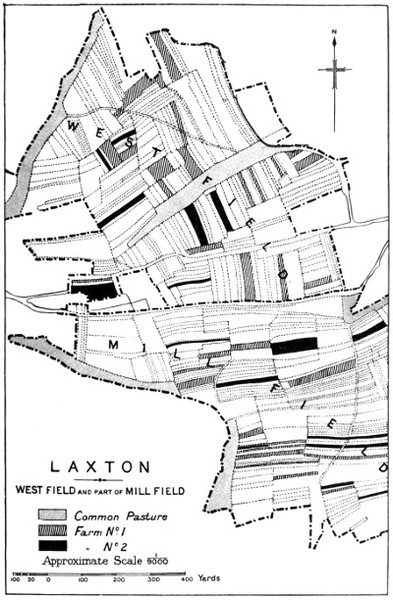
Laxton open-field map
Regional and Social Effects
Europe did not change in one uniform way.
West and east diverged
- In the west, peasantry became freer. Money rents, tenant farming, wage labor, and commercial agriculture grew.
- In the east, nobles tightened control in the second serfdom. Labor services expanded on large estates east of the Elbe.
Both regions responded to markets. The difference was the labor system.
Conflict in the countryside
Landlords tried to raise revenue by raising rents, enclosing land, and ending customary rights. Peasants resisted through petitions, lawsuits, fence-breaking, and revolt.
- German Peasants’ War (1524 to 1525)
- Kett’s Rebellion (1549), the standard enclosure example in England
New elites and old hierarchy
Commerce created a new elite of merchants, bankers, financiers, officeholders, and commercial landowners.
- Italian merchant princes turned commercial wealth into political power.
- In France, nobles of the robe gained status through offices, unlike the older nobles of the sword.
Commercial wealth usually bought land, office, titles, and marriage alliances. It joined old hierarchy more often than it replaced it.
Cities, migration, and family response
Rural pressure pushed migrants into cities, where they strained:
- guild control
- jobs
- housing
- sanitation
- poor relief
- public order
Common urban problems included overpopulation, unemployment, poverty, and crime.
The Little Ice Age and economic stress also encouraged delayed marriage and childbearing. In western and northwestern Europe, the European marriage pattern meant later marriage and fewer births, which helped restrain population growth.
Key Takeaways
Commercial Revolution
The gradual expansion of European commerce, finance, monetary exchange, private investment, and market-oriented agriculture from about 1450 to 1648
Commercial Capitalism
An economic system organized around private investment, long-distance trade, credit, and profit
Agricultural Capitalism
The treatment of land and agricultural production as sources of marketable goods, monetary income, and investment profit
Money Economy
An economy in which rents, wages, taxes, debts, and purchases are increasingly valued and paid in money rather than barter or labor alone
Deposit Banking
Banking that holds merchants’ funds and transfers or clears payments without requiring every transaction to use physical coin
Bill of Exchange
A financial instrument allowing merchants to make or receive payment in another city without transporting large quantities of coin
Marine Insurance
Insurance that distributed losses from shipwreck, piracy, or wartime seizure, converting the threat of catastrophic loss into a predictable cost
Double-Entry Bookkeeping
Accounting that records each transaction as corresponding debit and credit entries, helping merchants track errors, assets, liabilities, and profits
Merchant Banks
Financial firms that provided deposits, credit, currency exchange, and transfers while connecting commercial wealth to rulers and governments
Joint-Stock Company
An enterprise in which multiple investors pooled capital and divided potential profits and losses through shares
Bank of Amsterdam
A bank founded in 1609 that accepted deposits and cleared payments in reliable bank money, strengthening Amsterdam as a financial center
English East India Company
An English joint-stock company chartered in 1600 that pooled private capital for long-distance trade under state-granted monopoly privileges
Dutch East India Company (VOC)
A Dutch joint-stock company chartered in 1602 with transferable shares and powers to build forts, negotiate treaties, and wage war
Capital Accumulation
The gathering and reinvestment of wealth in ships, goods, loans, land, or shares to produce additional profit
Price Revolution
The sustained, uneven rise in European prices during the sixteenth and early seventeenth centuries, driven chiefly by population recovery and American silver
Nominal Wages vs. Real Wages
Nominal wages are the stated amount of pay; real wages are that pay’s purchasing power, which fell when prices rose faster than wages
Subsistence Agriculture
Farming primarily to meet a household’s needs and obligations, with only a modest surplus sold in markets
Open-Field System
A village farming system in which households cultivated scattered strips within shared fields and used common land under customary rules
Three-Crop Rotation
A northern European system dividing land among autumn grain, a spring crop, and fallow, with those uses rotating among the fields each year
Two-Crop Rotation
A Mediterranean system in which cultivation and fallow alternated between two portions of the arable land
Village Commons
Shared village land and resources used under customary rights for grazing, firewood, peat collection, and gleaning
Commercialization of Agriculture
The reorganization of farming toward specialized production for regional or international markets rather than primarily household subsistence
Enclosure Movement
The consolidation of scattered strips and common lands into separately controlled holdings, often restricting peasants’ customary access
Freehold Tenure
Secure, inheritable control of land with fewer manorial labor obligations, allowing greater independence, investment, sale, lease, or consolidation
Second Serfdom
The early modern reinforcement of eastern European serfdom as nobles restricted peasant mobility and expanded compulsory labor on export-oriented estates
German Peasants’ War
A 1524–1525 revolt against feudal burdens and violations of village rights that was suppressed by princely and noble forces
Kett’s Rebellion
A 1549 English rising in which Norfolk rebels attacked enclosures and defended traditional land-use rights before government forces defeated them
New Economic Elite
Merchants, bankers, financiers, officeholders, and commercial landowners whose wealth came increasingly from commerce, finance, and market production
Merchant Princes
Wealthy commercial families, especially in Italian cities, who converted profits from banking and trade into land, office, political influence, and patronage
Nobles of the Robe vs. Nobles of the Sword
Nobles of the robe gained status through judicial or administrative office, while nobles of the sword derived status from older hereditary military traditions
Urban Migration During the Commercial Revolution
Movement into cities that supplied labor but strained guild control, housing, sanitation, employment, poor relief, and established political monopolies
Little Ice Age
A period of generally cooler and less stable conditions that shortened growing seasons and contributed to poor harvests, famine, and economic insecurity
European Marriage Pattern
The western and northwestern European tendency toward late marriage and frequent nonmarriage, delaying childbearing and restraining population growth
Fugger Family
An Augsburg banking family whose wealth from banking, mining, and trade financed the Habsburgs and brought political influence and commercial privileges
Western–Eastern European Rural Divergence
Western Europe generally developed freer peasantries, money rents, and commercial tenancy, while eastern Europe reinforced serfdom and compulsory labor on noble export estates
Notes
Commercial Revolution
The gradual expansion of European commerce, finance, monetary exchange, private investment, and market-oriented agriculture from about 1450 to 1648
Commercial Capitalism
An economic system organized around private investment, long-distance trade, credit, and profit
Agricultural Capitalism
The treatment of land and agricultural production as sources of marketable goods, monetary income, and investment profit
Money Economy
An economy in which rents, wages, taxes, debts, and purchases are increasingly valued and paid in money rather than barter or labor alone
Deposit Banking
Banking that holds merchants’ funds and transfers or clears payments without requiring every transaction to use physical coin
Bill of Exchange
A financial instrument allowing merchants to make or receive payment in another city without transporting large quantities of coin
Marine Insurance
Insurance that distributed losses from shipwreck, piracy, or wartime seizure, converting the threat of catastrophic loss into a predictable cost
Double-Entry Bookkeeping
Accounting that records each transaction as corresponding debit and credit entries, helping merchants track errors, assets, liabilities, and profits
Merchant Banks
Financial firms that provided deposits, credit, currency exchange, and transfers while connecting commercial wealth to rulers and governments
Joint-Stock Company
An enterprise in which multiple investors pooled capital and divided potential profits and losses through shares
Bank of Amsterdam
A bank founded in 1609 that accepted deposits and cleared payments in reliable bank money, strengthening Amsterdam as a financial center
English East India Company
An English joint-stock company chartered in 1600 that pooled private capital for long-distance trade under state-granted monopoly privileges
Dutch East India Company (VOC)
A Dutch joint-stock company chartered in 1602 with transferable shares and powers to build forts, negotiate treaties, and wage war
Capital Accumulation
The gathering and reinvestment of wealth in ships, goods, loans, land, or shares to produce additional profit
Price Revolution
The sustained, uneven rise in European prices during the sixteenth and early seventeenth centuries, driven chiefly by population recovery and American silver
Nominal Wages vs. Real Wages
Nominal wages are the stated amount of pay; real wages are that pay’s purchasing power, which fell when prices rose faster than wages
Subsistence Agriculture
Farming primarily to meet a household’s needs and obligations, with only a modest surplus sold in markets
Open-Field System
A village farming system in which households cultivated scattered strips within shared fields and used common land under customary rules
Three-Crop Rotation
A northern European system dividing land among autumn grain, a spring crop, and fallow, with those uses rotating among the fields each year
Two-Crop Rotation
A Mediterranean system in which cultivation and fallow alternated between two portions of the arable land
Village Commons
Shared village land and resources used under customary rights for grazing, firewood, peat collection, and gleaning
Commercialization of Agriculture
The reorganization of farming toward specialized production for regional or international markets rather than primarily household subsistence
Enclosure Movement
The consolidation of scattered strips and common lands into separately controlled holdings, often restricting peasants’ customary access
Freehold Tenure
Secure, inheritable control of land with fewer manorial labor obligations, allowing greater independence, investment, sale, lease, or consolidation
Second Serfdom
The early modern reinforcement of eastern European serfdom as nobles restricted peasant mobility and expanded compulsory labor on export-oriented estates
German Peasants’ War
A 1524–1525 revolt against feudal burdens and violations of village rights that was suppressed by princely and noble forces
Kett’s Rebellion
A 1549 English rising in which Norfolk rebels attacked enclosures and defended traditional land-use rights before government forces defeated them
New Economic Elite
Merchants, bankers, financiers, officeholders, and commercial landowners whose wealth came increasingly from commerce, finance, and market production
Merchant Princes
Wealthy commercial families, especially in Italian cities, who converted profits from banking and trade into land, office, political influence, and patronage
Nobles of the Robe vs. Nobles of the Sword
Nobles of the robe gained status through judicial or administrative office, while nobles of the sword derived status from older hereditary military traditions
Urban Migration During the Commercial Revolution
Movement into cities that supplied labor but strained guild control, housing, sanitation, employment, poor relief, and established political monopolies
Little Ice Age
A period of generally cooler and less stable conditions that shortened growing seasons and contributed to poor harvests, famine, and economic insecurity
European Marriage Pattern
The western and northwestern European tendency toward late marriage and frequent nonmarriage, delaying childbearing and restraining population growth
Fugger Family
An Augsburg banking family whose wealth from banking, mining, and trade financed the Habsburgs and brought political influence and commercial privileges
Western–Eastern European Rural Divergence
Western Europe generally developed freer peasantries, money rents, and commercial tenancy, while eastern Europe reinforced serfdom and compulsory labor on noble export estates
