Topic 9.6 Notes – Challenges of the 21st Century
How 21st-Century Challenges Tested American Power
In 1991 the Soviet Union was gone, so the U.S. entered the new century as the lone superpower. It had unmatched military strength, huge economic influence, and global cultural reach. The question was no longer how to beat a rival superstate. It was how to use that power in a world shaped by terrorism, financial crisis, energy dependence, climate change, and cyber or asymmetric threats.
The turning point was 9/11. Post-Cold War confidence gave way to fear of nonstate terrorism. That shift produced one of the most important chains in this topic:
9/11 → war on terror → Afghanistan and Iraq → debates over civil liberties, human rights, spending, and America’s global role
The exam loves this idea: the U.S. stayed powerful, but these problems showed that military force could remove governments faster than it could solve long-term instability.
September 11 and the War on Terror
On September 11, 2001, al-Qaeda, led by Osama bin Laden, hijacked four planes.
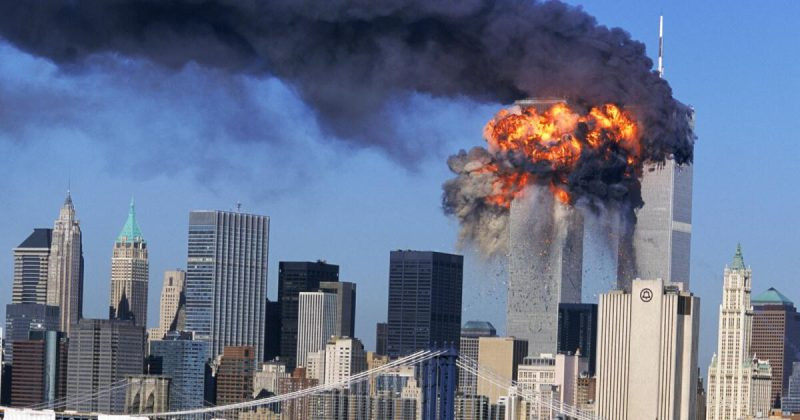
September 11 attacks on the World Trade Center
- Two hit the World Trade Center
- One hit the Pentagon
- Flight 93 crashed in Pennsylvania after passengers fought back
- Nearly 3,000 people were killed
This did not come out of nowhere. Al-Qaeda had already attacked U.S. embassies in Kenya and Tanzania in 1998 and the USS Cole in 2000.
Bush administration response
President Bush launched the war on terror.
- Congress passed the Authorization for Use of Military Force, giving the president broad power to strike those tied to 9/11.
- NATO invoked Article 5, treating the attack on the U.S. as an attack on all members.
- The Bush Doctrine argued for preemption, unilateral action if needed, and democracy promotion.
Supporters said secret terrorist threats had to be stopped before they struck. Critics said that logic relied on uncertain intelligence and could justify endless war.
Afghanistan
Afghanistan's location helps explain why the war quickly became a cross-border conflict, especially along the Afghanistan-Pakistan frontier.
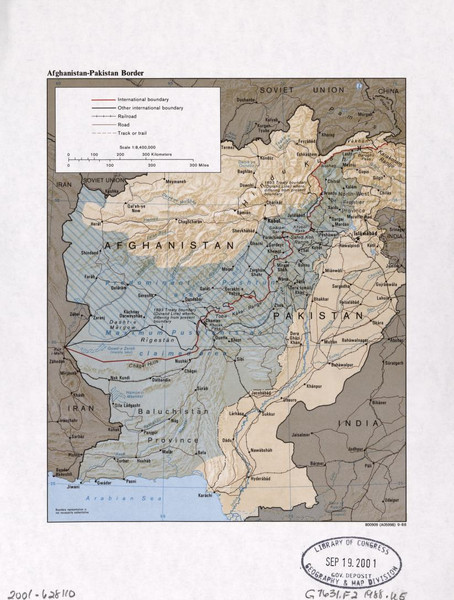
Afghanistan-Pakistan border region
- Operation Enduring Freedom began in 2001 against the Taliban, which sheltered al-Qaeda.
- U.S. airpower, special forces, and the Northern Alliance quickly toppled the Taliban.
- The mission expanded into counterinsurgency and nation-building.
- Problems piled up: weak government, corruption, tribal and regional divisions, and Taliban safe havens in Pakistan.
- Obama sent a troop surge. In 2011, U.S. forces killed bin Laden in Abbottabad, Pakistan.
- The U.S. withdrew in 2021. The Afghan government collapsed, and the Taliban returned.
Afghanistan became the longest war in U.S. history. It showed how hard it is to build a stable state after winning the initial war.
Iraq
- Operation Iraqi Freedom began in 2003 against Saddam Hussein.
- The public case focused on weapons of mass destruction, UN violations, and possible terrorism links.
- Iraq mattered differently from Afghanistan. It was not the direct source of 9/11.
- Hussein fell quickly, but no active WMD stockpiles were found.
- De-Ba’athification and dissolving the Iraqi army helped spark insurgency and sectarian violence.
- The Abu Ghraib abuse scandal hurt U.S. credibility.
- The 2007 troop surge lowered violence, but instability remained.
- U.S. combat forces withdrew in 2011. The rise of ISIS later pulled the U.S. back into military action.
Iraq became a major controversy over intelligence failures, war powers, and the cost of intervention.
Security, Civil Liberties, and Human Rights at Home
War abroad changed government power at home. The Department of Homeland Security formed in 2002, and security expanded through the TSA, no-fly lists, intelligence sharing, and financial monitoring.
The USA PATRIOT Act widened surveillance and investigative powers. Supporters said it helped track decentralized terrorist networks. Critics said it threatened privacy, free speech, religious freedom, association, and protections against unreasonable searches.
Detention policy raised human-rights questions:
- Guantánamo Bay held detainees for long periods
- The government used military commissions and the label enemy combatant
- Waterboarding and other “enhanced interrogation techniques” sparked torture debates
- Abu Ghraib became the most famous abuse example
The Supreme Court pushed back in Hamdi v. Rumsfeld, Hamdan v. Rumsfeld, and Boumediene v. Bush. Those cases said wartime presidents still faced judicial review and due process limits.
In 2013, Edward Snowden revealed large-scale NSA data collection, which sharpened the security-versus-privacy debate.
Economic, Energy, and Environmental Challenges
The Great Recession came from a housing bubble and risky finance.
- Causes included subprime mortgages, mortgage-backed securities, risky lending, weak regulation, and heavy leverage.
- The 2008 collapse of Lehman Brothers became the symbol of the panic.
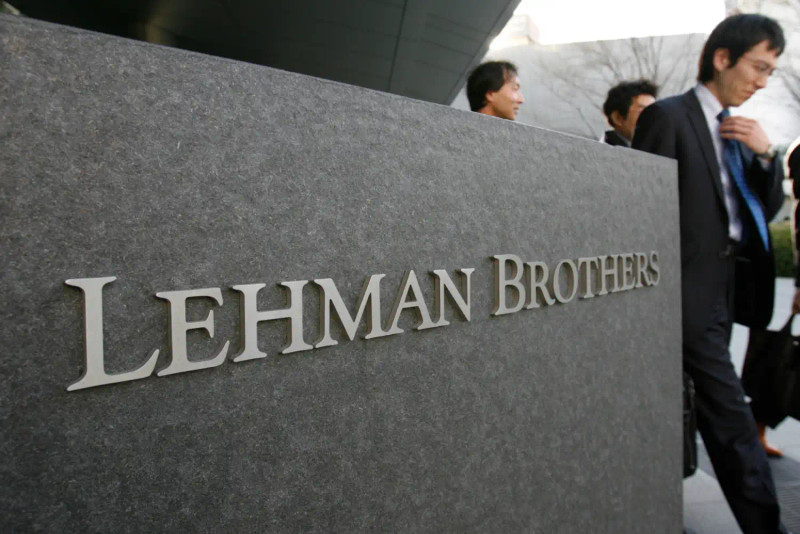
Lehman Brothers after the 2008 collapse
- Effects included unemployment, foreclosures, and the worst downturn since the Great Depression.
Government responses included TARP under Bush, emergency Federal Reserve action, auto-industry aid, Obama’s American Recovery and Reinvestment Act, Dodd-Frank, and the Consumer Financial Protection Bureau.
The political backlash split in two directions.
- The Tea Party attacked taxes, spending, and federal power.
- Occupy Wall Street attacked inequality and popularized “the 99 percent.”
Energy and climate linked domestic life to foreign policy. U.S. oil use tied the country to Middle Eastern instability. Fracking and horizontal drilling boosted domestic production but raised environmental worries. Climate debates centered on greenhouse gases, warming, sea-level rise, and extreme weather. Policy examples you should know are the Kyoto Protocol, the Paris Agreement, U.S. withdrawal under Trump, and reentry under Biden.
Why the United States Remained the Leading Superpower
Even after long wars, recession, and polarization, the U.S. stayed the top power because of:
- unmatched military reach
- alliances like NATO
- overseas bases
- the global role of the dollar
- major universities and technology firms
- strong cultural influence
Still, the limits were obvious. Terrorism and insurgency could survive against stronger armies. Iraq hurt U.S. credibility. China’s rise, Russian assertiveness, Iran and North Korea, cyberattacks, and climate change all made leadership harder.
Key Takeaways
September 11 Attacks
Al-Qaeda hijackers attacked the World Trade Center and Pentagon on September 11, 2001, killing nearly 3,000 and prompting the war on terror
Al-Qaeda
Osama bin Laden’s international Islamist extremist organization, responsible for September 11 and other attacks on American targets
Osama Bin Laden
Leader of al-Qaeda, the organization responsible for September 11; killed by U.S. forces in Pakistan in 2011
War on Terror
Global American campaign against terrorism using military force, intelligence, law enforcement, financial controls, diplomacy, and domestic surveillance
Authorization for Use of Military Force (2001)
Congressional authorization permitting the president to use force against those responsible for September 11 and anyone who aided them
George W. Bush
President who declared the war on terror, invaded Afghanistan and Iraq, and expanded federal security and surveillance powers
Bush Doctrine
Policy favoring preemptive action against emerging threats, unilateral action when necessary, and promotion of democracy abroad
Taliban
Islamist movement that governed Afghanistan, sheltered al-Qaeda, was overthrown in 2001, and regained control after the 2021 U.S. withdrawal
Afghanistan War
2001–2021 conflict that removed the Taliban government but failed to build a durable Afghan state, ending with the Taliban’s return
Barack Obama
President who increased troops in Afghanistan, oversaw the killing of bin Laden, enacted recession recovery measures, and joined the Paris Agreement
Iraq War
Preventive war begun in 2003 over alleged Iraqi weapons of mass destruction; it toppled Saddam Hussein but produced insurgency and instability
Saddam Hussein
Authoritarian Iraqi ruler overthrown and captured during the 2003 U.S.-led invasion of Iraq
Abu Ghraib
Iraqi prison where abuse by American personnel damaged U.S. credibility and intensified human-rights criticism of the Iraq War
Iraq War Troop Surge
Bush’s 2007 increase of U.S. troops and use of counterinsurgency tactics, followed by declining violence alongside changes in Iraqi politics and alliances
Islamic State in Iraq and Syria (ISIS)
Extremist organization that captured territory amid Iraqi and Syrian instability, prompting renewed U.S. military operations beginning in 2014
Department of Homeland Security
Federal department created in 2002 to coordinate border control, emergency preparedness, transportation security, and infrastructure protection
USA PATRIOT Act
2001 law expanding federal intelligence sharing, surveillance, records access, and investigative authority against suspected terrorism
Edward Snowden
Former intelligence contractor whose 2013 disclosures exposed extensive National Security Agency electronic data collection
Guantánamo Bay Detention Camp
U.S. facility in Cuba where suspected terrorists were detained, sometimes for years without ordinary civilian criminal trials
Enhanced Interrogation Techniques
Coercive practices such as waterboarding whose use on terrorism suspects prompted charges of torture and violations of law
Hamdi v. Rumsfeld, Hamdan v. Rumsfeld, and Boumediene v. Bush
Supreme Court detainee rulings that required forms of due process or judicial review and limited executive wartime authority
Great Recession
Severe 2007–2009 downturn caused by the housing and financial collapse, producing bank failures, foreclosures, and 10 percent unemployment
Housing Bubble
Unsustainable rise in home prices fueled by risky borrowing; its collapse drove mortgage defaults and the financial crisis
Subprime Mortgages
Risky home loans issued to borrowers with weak credit or limited ability to repay, contributing to defaults and foreclosures
Mortgage-Backed Securities
Investments created by bundling mortgages, spreading hidden housing-market risks throughout the financial system
Lehman Brothers Collapse
September 2008 failure of a major investment bank that became the clearest symbol of the financial panic
Troubled Asset Relief Program (TARP)
Bush-era $700 billion program authorized to stabilize financial institutions during the 2008 crisis
American Recovery and Reinvestment Act
Obama’s 2009 stimulus providing about $787 billion in tax cuts, government aid, infrastructure spending, and other recovery measures
Dodd–Frank Wall Street Reform and Consumer Protection Act
2010 law increasing regulation and oversight of major financial institutions and creating the Consumer Financial Protection Bureau
Tea Party
Conservative movement opposing taxes, deficits, government spending, and federal intervention after the Great Recession
Occupy Wall Street
Left-wing protest movement targeting economic inequality and elite influence while contrasting the 99 percent with the 1 percent
Fossil-Fuel Dependence
Heavy reliance on oil, coal, and natural gas that connected American consumption to Middle Eastern strategy and environmental harm
Hydraulic Fracturing (Fracking)
Method that expanded domestic oil and natural-gas production but raised concerns about groundwater, methane, accidents, and local damage
Climate Change
Human-driven warming caused largely by greenhouse-gas emissions, producing rising seas, changing weather, and ecological risks
Kyoto Protocol
1997 international climate agreement that the United States signed but did not ratify
Paris Agreement
2015 international climate accord the United States joined under Obama, left under Trump, and rejoined under Biden
Political Polarization
Growing alignment of partisan and cultural identities that made compromise costly and hindered consistent responses to national problems
United States as the Leading Superpower
Despite costly wars and economic challenges, the United States retained unmatched military reach, alliances, economic influence, and cultural power
Transportation Security Administration
Post–September 11 federal agency responsible for airport and passenger security screening
Notes
September 11 Attacks
Al-Qaeda hijackers attacked the World Trade Center and Pentagon on September 11, 2001, killing nearly 3,000 and prompting the war on terror
Al-Qaeda
Osama bin Laden’s international Islamist extremist organization, responsible for September 11 and other attacks on American targets
Osama Bin Laden
Leader of al-Qaeda, the organization responsible for September 11; killed by U.S. forces in Pakistan in 2011
War on Terror
Global American campaign against terrorism using military force, intelligence, law enforcement, financial controls, diplomacy, and domestic surveillance
Authorization for Use of Military Force (2001)
Congressional authorization permitting the president to use force against those responsible for September 11 and anyone who aided them
George W. Bush
President who declared the war on terror, invaded Afghanistan and Iraq, and expanded federal security and surveillance powers
Bush Doctrine
Policy favoring preemptive action against emerging threats, unilateral action when necessary, and promotion of democracy abroad
Taliban
Islamist movement that governed Afghanistan, sheltered al-Qaeda, was overthrown in 2001, and regained control after the 2021 U.S. withdrawal
Afghanistan War
2001–2021 conflict that removed the Taliban government but failed to build a durable Afghan state, ending with the Taliban’s return
Barack Obama
President who increased troops in Afghanistan, oversaw the killing of bin Laden, enacted recession recovery measures, and joined the Paris Agreement
Iraq War
Preventive war begun in 2003 over alleged Iraqi weapons of mass destruction; it toppled Saddam Hussein but produced insurgency and instability
Saddam Hussein
Authoritarian Iraqi ruler overthrown and captured during the 2003 U.S.-led invasion of Iraq
Abu Ghraib
Iraqi prison where abuse by American personnel damaged U.S. credibility and intensified human-rights criticism of the Iraq War
Iraq War Troop Surge
Bush’s 2007 increase of U.S. troops and use of counterinsurgency tactics, followed by declining violence alongside changes in Iraqi politics and alliances
Islamic State in Iraq and Syria (ISIS)
Extremist organization that captured territory amid Iraqi and Syrian instability, prompting renewed U.S. military operations beginning in 2014
Department of Homeland Security
Federal department created in 2002 to coordinate border control, emergency preparedness, transportation security, and infrastructure protection
USA PATRIOT Act
2001 law expanding federal intelligence sharing, surveillance, records access, and investigative authority against suspected terrorism
Edward Snowden
Former intelligence contractor whose 2013 disclosures exposed extensive National Security Agency electronic data collection
Guantánamo Bay Detention Camp
U.S. facility in Cuba where suspected terrorists were detained, sometimes for years without ordinary civilian criminal trials
Enhanced Interrogation Techniques
Coercive practices such as waterboarding whose use on terrorism suspects prompted charges of torture and violations of law
Hamdi v. Rumsfeld, Hamdan v. Rumsfeld, and Boumediene v. Bush
Supreme Court detainee rulings that required forms of due process or judicial review and limited executive wartime authority
Great Recession
Severe 2007–2009 downturn caused by the housing and financial collapse, producing bank failures, foreclosures, and 10 percent unemployment
Housing Bubble
Unsustainable rise in home prices fueled by risky borrowing; its collapse drove mortgage defaults and the financial crisis
Subprime Mortgages
Risky home loans issued to borrowers with weak credit or limited ability to repay, contributing to defaults and foreclosures
Mortgage-Backed Securities
Investments created by bundling mortgages, spreading hidden housing-market risks throughout the financial system
Lehman Brothers Collapse
September 2008 failure of a major investment bank that became the clearest symbol of the financial panic
Troubled Asset Relief Program (TARP)
Bush-era $700 billion program authorized to stabilize financial institutions during the 2008 crisis
American Recovery and Reinvestment Act
Obama’s 2009 stimulus providing about $787 billion in tax cuts, government aid, infrastructure spending, and other recovery measures
Dodd–Frank Wall Street Reform and Consumer Protection Act
2010 law increasing regulation and oversight of major financial institutions and creating the Consumer Financial Protection Bureau
Tea Party
Conservative movement opposing taxes, deficits, government spending, and federal intervention after the Great Recession
Occupy Wall Street
Left-wing protest movement targeting economic inequality and elite influence while contrasting the 99 percent with the 1 percent
Fossil-Fuel Dependence
Heavy reliance on oil, coal, and natural gas that connected American consumption to Middle Eastern strategy and environmental harm
Hydraulic Fracturing (Fracking)
Method that expanded domestic oil and natural-gas production but raised concerns about groundwater, methane, accidents, and local damage
Climate Change
Human-driven warming caused largely by greenhouse-gas emissions, producing rising seas, changing weather, and ecological risks
Kyoto Protocol
1997 international climate agreement that the United States signed but did not ratify
Paris Agreement
2015 international climate accord the United States joined under Obama, left under Trump, and rejoined under Biden
Political Polarization
Growing alignment of partisan and cultural identities that made compromise costly and hindered consistent responses to national problems
United States as the Leading Superpower
Despite costly wars and economic challenges, the United States retained unmatched military reach, alliances, economic influence, and cultural power
Transportation Security Administration
Post–September 11 federal agency responsible for airport and passenger security screening
